Image
Vidu Q2 Pro
Image
Available on Ofrai — chat, images, and video in one place with shared credits.
Example prompts
Choose an example to load its prompt and recommended settings into the Vidu Q2 Pro creator above.
How it works
Create with Vidu Q2 Pro in three steps
- 01
Choose your inputs
Keep Vidu Q2 Pro selected, then add a prompt and any supported reference assets.
- 02
Set the output
Choose the aspect ratio, resolution, and available Image options before generating.
- 03
Generate and refine
Review the result, adjust the prompt or settings, and generate another version from the same place.
Vidu Q2 Pro is the quality tier of the Q2 generation, and the way to think about it is as a sequence engine with a fidelity ceiling. Most of what this family is good at — a subject that holds across a run, a frame staged so it reads inside a sequence — is shared with the cheaper tier. What the Pro tier adds is what shows when a frame is examined: texture that survives a close crop, finish that reads as a material, edges on small props that hold up.
If your frames are only ever seen in a feed, that difference is money spent on something nobody looks at.
What the Q2 generation is built on
Subject continuity and staged composition. The family was shaped around sequences — a run of frames where the same character or the same product has to remain recognisable while the camera and the setting change. That is a harder discipline than producing a good single frame, and it is the one most catalogues quietly need.
A product set shot across angles, a lookbook where the garment changes and the model does not, a story sequence for a launch — those are the briefs this engine was tuned for, and they are briefs where most still engines make you enforce consistency by hand.
What the Pro tier adds
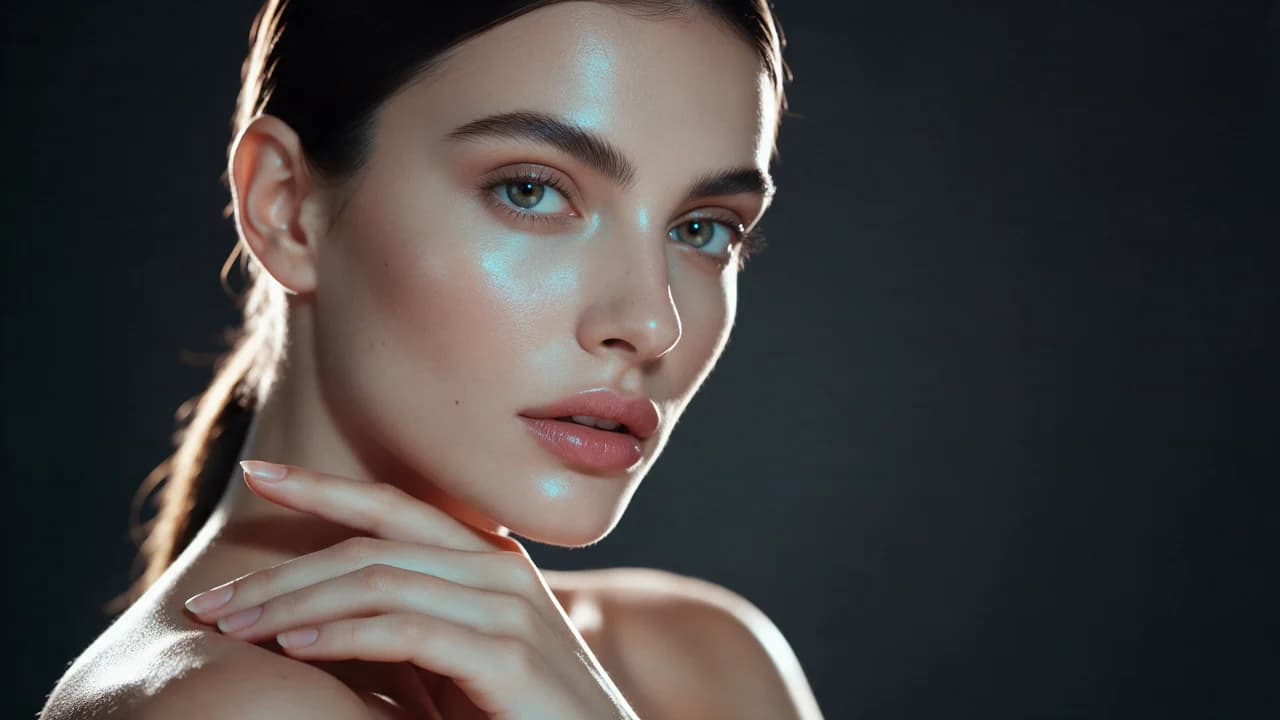
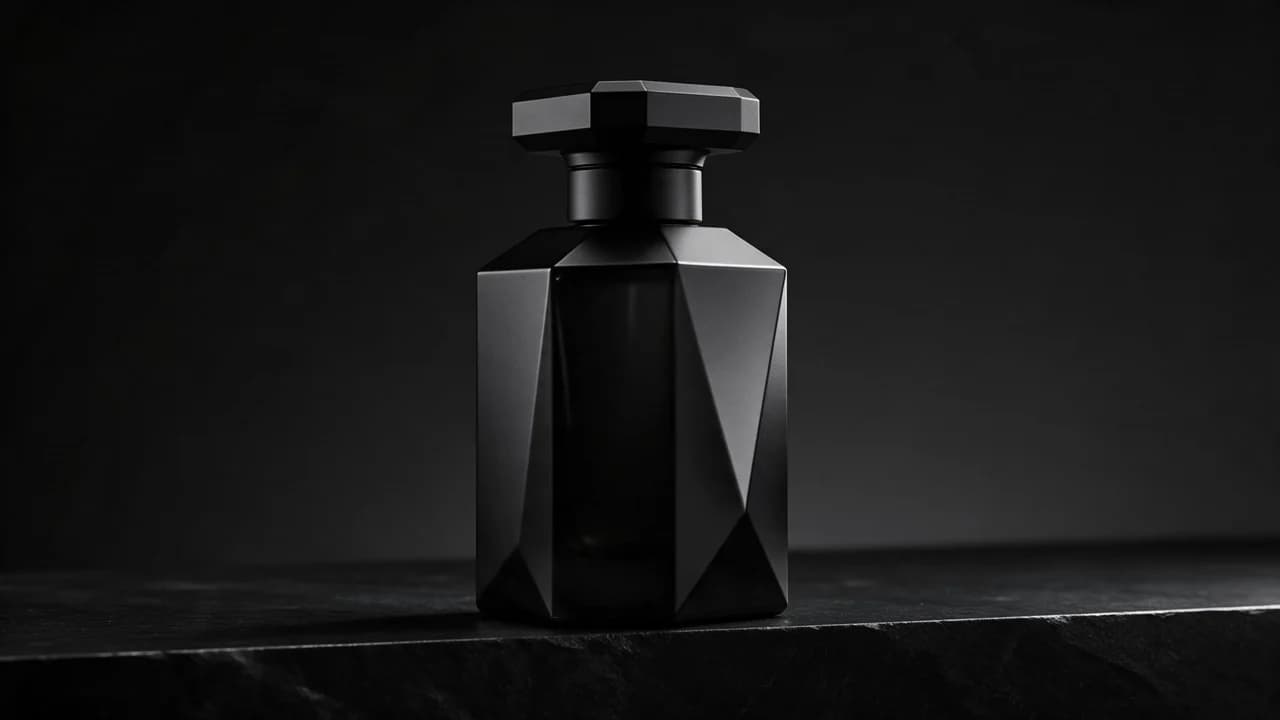
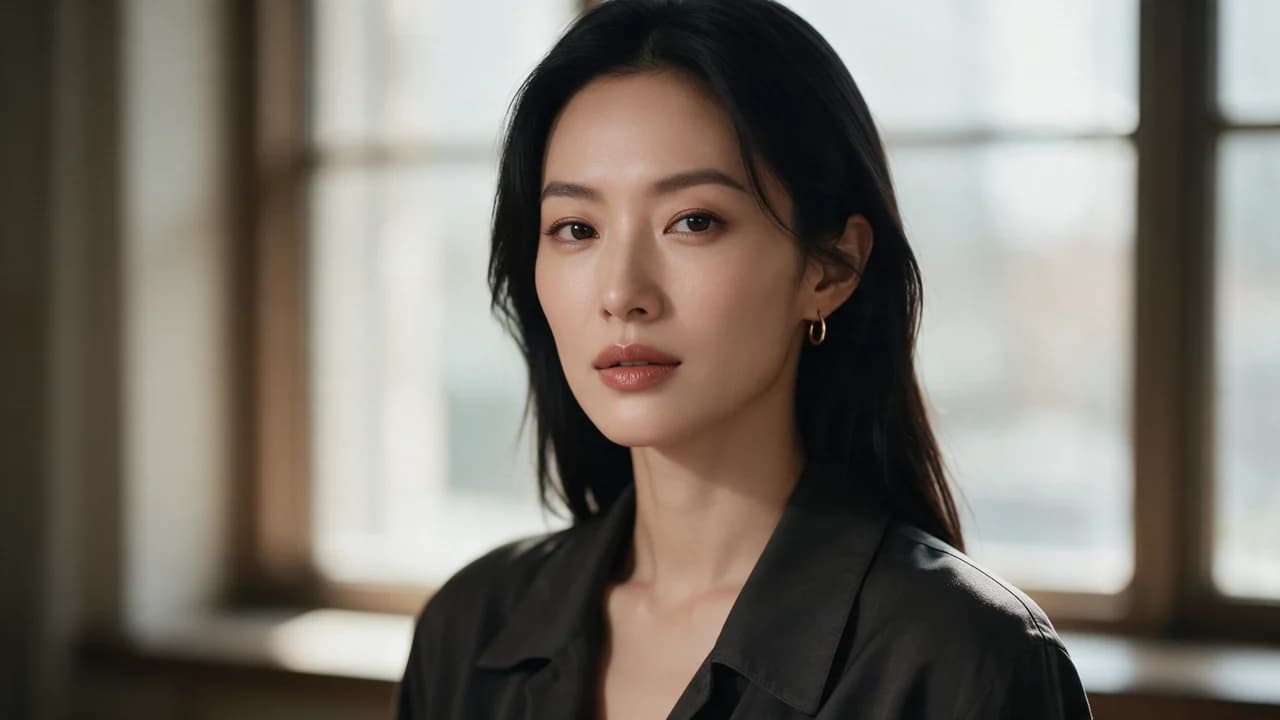
Fidelity, in the ordinary sense of the word. Skin with texture rather than a waxy surface. Fabric that shows a weave. Jewellery and glass with edges that hold. Finish on a product that reads as a material rather than a rendering. And a frame that survives a hard crop, which is where a still-first engine usually beats a sequence-first one.
None of this is exotic; it is simply the price of a frame that will be examined rather than scrolled past, and it is the only reason the tier costs more.
The decision this page exists to inform
The Q2 generation ships in two tiers and the honest question is not which is better but where the line goes. Put the volume on the speed tier and the frames that carry the outcome on this one. A hero frame, a print, a product shown close enough that the finish matters — those go upstairs. A set of angles, a social run, a carousel nobody scrubs past — those stay downstairs.
The expensive mistake is running the whole thing upstairs, because the tier's cost is per frame and a set's value is not in any single frame of it.
How to prompt it
Give it a brief with movement in it, because that is the part it is best at reading. Subject and what it is doing, where the camera is, how the light falls, and what must not appear — each on its own line. Then, when producing a set, keep the subject and staging identical and vary only the frame's job. The model is used to re-staging a subject, not inventing one, so the more precisely you describe the subject once, the more freely you can change everything else.
When a still-first engine is the better buy
When the brief is one frame and that frame is the deliverable — a beauty shot with a specific retouching standard, a piece of jewellery, a surface finish that has to look like a material and not like a render. Sequence-first engines are not built for that, and no amount of prompting closes the gap; a still-first engine simply has a different training set.
This model is the right buy for frames that have to agree with each other, and the wrong one for a single frame that has to be flawless.
Running it inside Ofrai
Open Image Studio, paste the brief, and the Ofrai prompt router picks the cheapest engine that matches the image brief. For a set-heavy job it will usually not pick this tier, because the router optimises per render and cannot know that a particular frame will be examined. Pin it for the frames that need it, and keep the volume on the speed tier.
The same prompt runs on every tier with the seed and aspect ratio preserved, so promoting a frame is a comparison you can run rather than a swap you have to trust.
FAQ
- What does Vidu Q2 Pro add over Vidu Q2 Turbo?
- Fidelity — texture, material finish, small-prop edges, hard crops. The continuity and staged composition are shared. That difference is worth paying for on a frame that gets examined and is money wasted on a frame that gets scrolled past.
- Should I produce a whole catalogue on Vidu Q2 Pro?
- No. Volume on the speed tier, and the frames that carry the outcome on this one. The tier's cost is per frame, and a set's value is not in any single frame of it.
- When is a still-first engine better than Vidu Q2 Pro?
- For a single frame that has to be flawless — a beauty shot with a retouching standard, jewellery, a surface finish. Sequence-first engines are not built for that, and prompting does not close the gap.
FAQ
- Can I use Vidu Q2 Pro directly on this page?
- Yes. The creator above is the working Ofrai studio with Vidu Q2 Pro selected by default.
- Where are my finished results saved?
- Signed-in generations are kept in your Ofrai library so you can download or revisit them.
- Which prompts work best with Vidu Q2 Pro?
- Describe the subject, setting, visual style, lighting, and camera or motion clearly. The examples above provide practical starting points.
- Can I edit the example prompts before generating?
- Yes. Load any example, then change its wording, aspect ratio, references, or other supported settings in the creator.
Related models
Compare other Image models that can handle similar creative work to Vidu Q2 Pro.



Related guides
Tools
Commercial use depends on the selected model and model terms.