Compare models
GPT Image 2 vs Nano Banana Pro
By Ofrai Editorial (Model Testing Team)
Both generate stills from a prompt in Ofrai Image Studio. GPT Image 2 is a strong generalist with readable text; Nano Banana Pro (Gemini image) often wins on photographic lighting and fashion-like detail. Run the same prompt on both — one credit balance.
New accounts include 1 free GPT Image 2.5 generation. Other models and video use credits.
What actually differs
GPT Image 2 is usually the safer default for posters, UI mock copy, and layouts that need letters to stay legible. Nano Banana Pro tends to look more like a camera still — skin, fabric, and practical light — which helps ecommerce hero shots. Neither replaces a retoucher for print packaging, but both are fast enough to explore SKUs before a shoot.
How to test on Ofrai
Open each model page, copy one prompt into Image Studio, and generate at the listed credit cost. Keep visual details in the prompt (lens, time of day, background) identical so you are comparing engines, not briefing quality. Then keep the winner in the same credits for the rest of the campaign.
Pricing note
Credits in the table below are Ofrai models list prices at page render (image jobs billed per generation). They are not a quality benchmark. Token chat models are unrelated to this stills comparison.
When to standardize on one engine
Standardize on GPT Image 2 when the brief requires accurate on-image type, and on Nano Banana Pro when the frame needs camera-style light. Both live in the same Ofrai image catalog, so switching engines does not reset your wallet or your library.
Where GPT Image 2 wins the frame
GPT Image 2 pulls ahead whenever the deliverable contains letters, boxes, or a described layout. Posters with a headline, packaging mockups, UI screens, price tags, shelf labels, quote cards and step-by-step infographics all render with stable baselines, plausible kerning and hierarchy that matches what you asked for. It is also unusually obedient about explicit spatial instructions: "headline top-left, product bottom-right on a 2-column grid" is usually respected rather than improvised.
It is the more forgiving of a lazy prompt too — three words still return a usable frame, which matters when you are iterating on a layout instead of chasing a look. Its weakness is photographic rather than typographic: skin and fabric can read slightly synthetic, highlights are cleaner than a real sensor would give, and a shot that depends on believable bounce light off a nearby wall usually looks better in the other engine.
Where Nano Banana Pro wins the frame
Nano Banana Pro, the Gemini image model, is the one to reach for when the brief is a photograph rather than a layout. It renders skin with pores, keeps fabric weave and knit texture intact, and puts practical light on surfaces — a window highlight that falls off correctly across a ceramic mug, a soft shadow under a shoe, a specular line along a phone's metal rail. For ecommerce hero shots, lookbook frames, food styling and lifestyle scenes it usually produces the frame you would have briefed a photographer for.
It is also strong at in-scene edits from a reference: change the background, keep the subject, hold the lighting direction. Its weakness is the mirror image of GPT Image 2's: type drifts, small text turns to decorative glyphs, and multi-object layouts can be quietly smoothed until the grid no longer matches the brief.
One prompt, two engines: a skincare hero shot
Take a brief like "serum bottle on wet slate, morning window light from camera left, soft shadow falling right, editorial ecommerce hero, 4:5" and run it verbatim on both. GPT Image 2 needs the structure spelled out: "serum bottle on wet slate, morning window light from camera left, soft shadow falling to the right, editorial ecommerce hero shot, 4:5 vertical, no text, no watermark, no hands".
Nano Banana Pro rewards the material and lens language instead: "editorial product photograph of a frosted glass serum bottle on wet dark slate, 85mm lens at f/2, soft north window light from camera left, long gentle shadow to the right, shallow depth of field, natural glass caustics". Then try a second brief with type in it — "skincare sale banner, bold sans headline reading SUMMER RESET, product bottom-right".
That single run tells you more than any spec sheet: whichever engine holds the words is the one your campaign can ship from.
What you give up by picking either side
Standardizing on GPT Image 2 means accepting a small realism tax. Campaigns that live or die on photographic credibility — jewellery, cosmetics, furniture, anything where a buyer compares it against a real product page — will often need a second pass in Nano Banana Pro for the hero frame while GPT Image 2 handles the supporting layouts, and that two-engine habit costs credits and review time. Standardizing on Nano Banana Pro means accepting a typography tax.
Every campaign that needs readable words in the frame — launch dates, ingredient copy, price points, app screens — ends up compositing type in a design tool afterwards, which is free of credits but not free of time, and it breaks the "one prompt, done" workflow the studio is built around. Neither tax is fatal; pick the one your team can absorb.
Where the two engines actually disagree, and why
Ask both models the same brief twice and you will see three consistent patterns. First, type: GPT Image 2 writes legible words because its training rewards reading text back out of images; Nano Banana Pro treats letterforms as texture, so it produces letter-shaped marks that look right at thumbnail size and wrong at 100%. Second, surface light: Nano Banana Pro simulates a physical light transport and gets falloff and bounce approximately right; GPT Image 2 composes a plausible studio look and often over-cleans it.
Third, ambiguity handling: when the prompt under-specifies a material — "matte finish" — GPT Image 2 picks a clean default, while Nano Banana Pro invents a richer, more specific surface that usually reads as intentional. That is why the same short prompt can feel generic on one engine and considered on the other.
Failure modes unique to each engine
GPT Image 2 fails by over-compliance. It will happily render a two-column layout where you asked for three, place a headline where it crowds the subject, and clean up a background you wanted kept — polished, plausible, and slightly not what you asked for. Its second failure is typographic drift on long strings: a six-line paragraph of small copy will look correct at a glance and contain wrong letters on close inspection, so proofread anything a customer will read. Nano Banana Pro fails by beautifying.
It smooths small inconsistencies, softens edges, tends to add a pleasing bokeh where you specified flat studio grey, and occasionally merges adjacent objects into one convincing blob. It also drifts when you chain edits — three successive changes to the same frame can quietly undo the first one, so keep a single prompt per job and re-upload the original reference.
A cheap-then-expensive credit workflow
Do not spend hero credits on exploration. Run the whole shot list at the cheapest resolution your catalog offers for each engine, one generation per concept, and judge composition only — framing, scale, background, crop. Keep the six best frames, then re-run only those six at production resolution and only on the engine that won the layout test. A third pass is worth budgeting: take the winning frame, add or fix the type on the engine that handles words best, and ship that.
In practice this turns a fifty-generation exploration into roughly eight cheap tests and four paid finals, and it keeps every expensive credit attached to a decision you already made rather than to a roll of the dice.
Pick GPT Image 2 if... pick Nano Banana Pro if...
Pick GPT Image 2 if the brief contains words, grids, diagrams, packaging, UI screens, price tags, or any layout you will have to reproduce across twelve variants; if you are producing a large set where consistency matters more than a single hero frame; if your team is not a retouching team and needs results that need no cleanup pass.
Pick Nano Banana Pro if the deliverable is a photograph — products, fashion, food, interiors, portraits; if the brief mentions lens, light direction, material or mood; if you are editing an existing reference image and want the subject to stay put. And when neither is right, say so: Flux Kontext is the stronger choice for precise local edits and identity preservation, Seedream 5 for fast high-volume concept variations, and Flux 2 for structural control when prompt-level layout instructions keep failing.
All of them sit in the same Ofrai image catalog and draw on the same credits.
A twenty-minute test plan you can run today
Pick three briefs from your actual campaign, not demos. Brief one has type in it, brief two is a pure product hero, brief three is a lifestyle scene. Write each prompt once, tuned for the engine you expect to win it, and run it on both at the lowest resolution. Score the pair on four things only: does the frame match the brief, is the type readable at thumbnail size, does the light look physically plausible, and would a customer believe it.
Five minutes each, fifteen minutes total, and you have a decision backed by your own deliverables instead of someone else's benchmark. Save both results in your Ofrai library; the prompt text travels with the image, so the next operator on the campaign inherits your reasoning instead of starting over.
Same prompts, side by side: GPT Image 2 vs Nano Banana Pro
10 prompts, each sent once to both models on Ofrai at 1K resolution and the same aspect ratio on 2026-10-25. Every image is the first and only result — no retries, no edits, compressed for the web.
Median time from submit to result: GPT Image 2 77s, Nano Banana Pro 38s. Times include queueing at the provider and vary with load.
Skincare product shot
Prompt: Studio product photo of an amber glass serum bottle with a white dropper cap on a wet black stone, soft rim light from behind, water droplets, shallow depth of field, commercial skincare advertising.
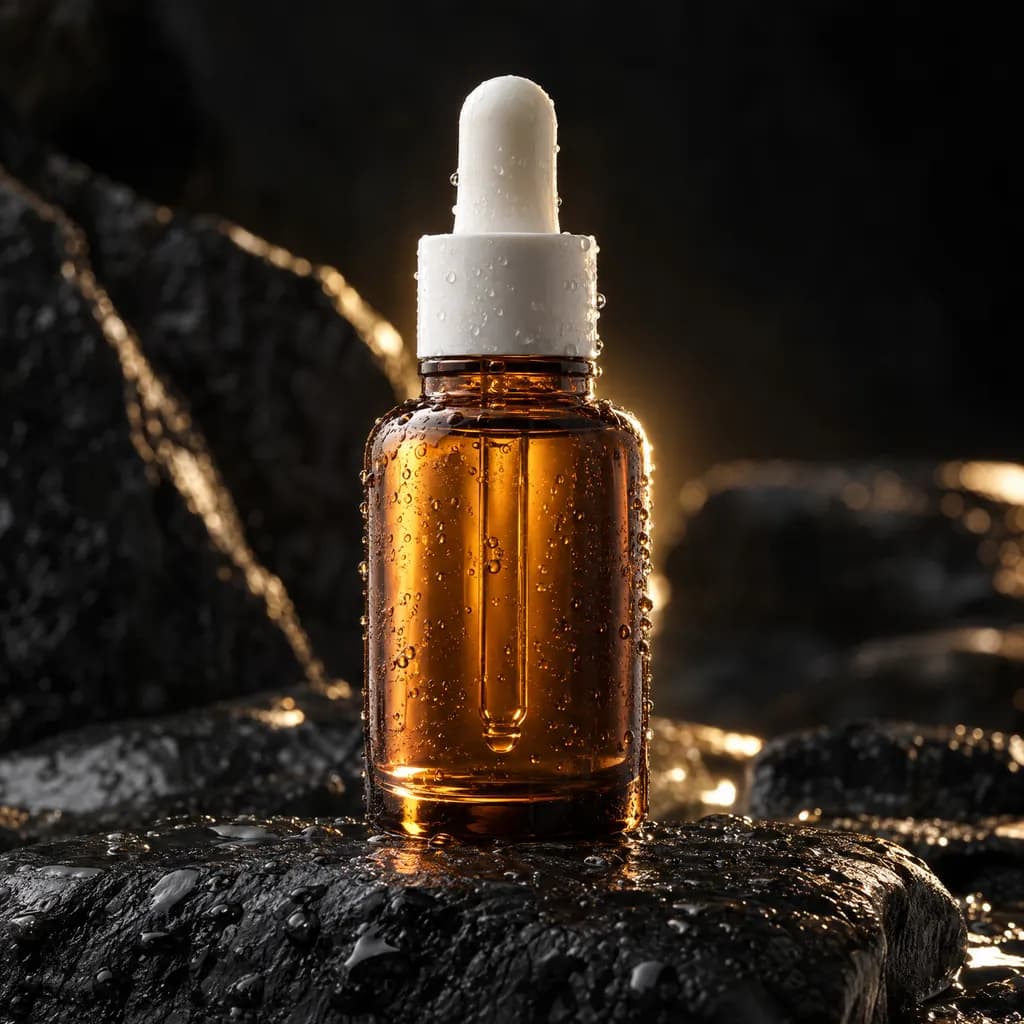
GPT Image 286s
Stayed on the brief: wet black stone, droplets, a warm rim glow through the amber glass. No invented branding.
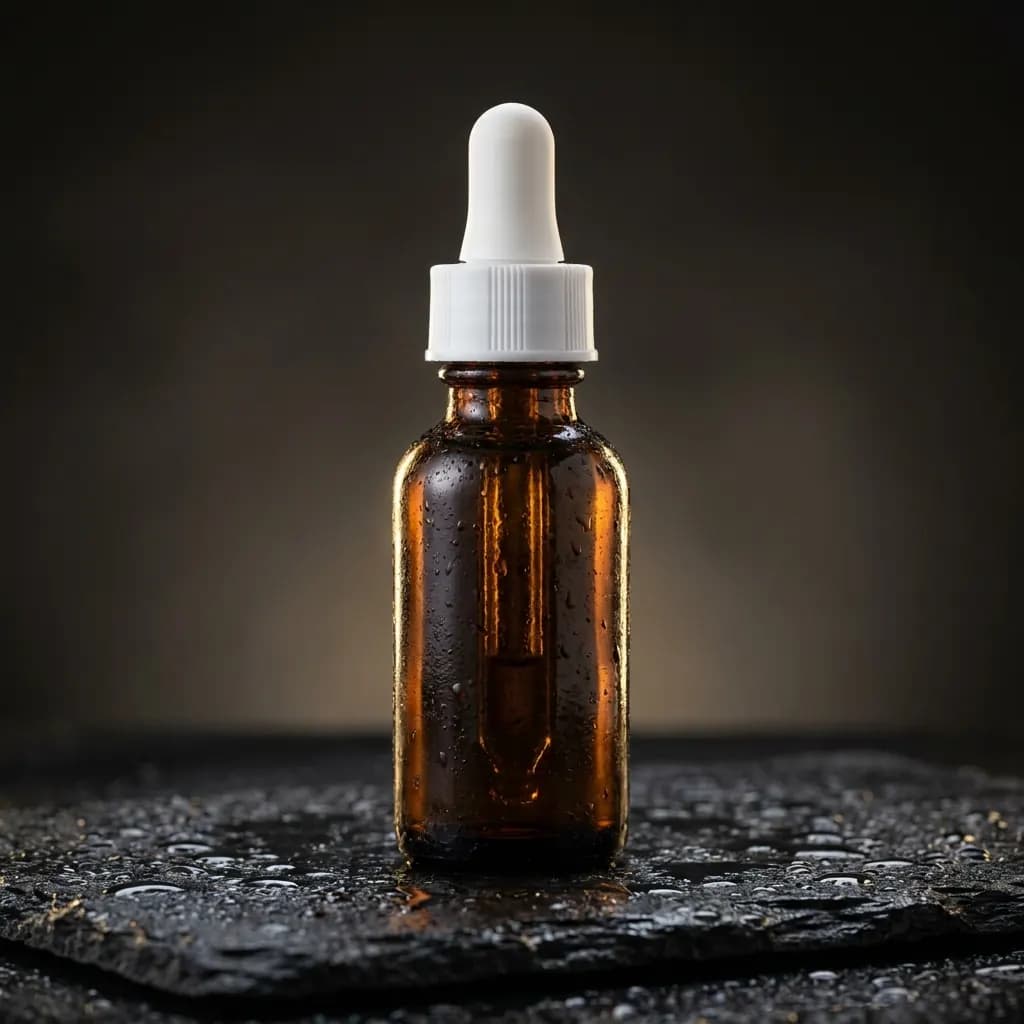
Nano Banana Pro25s
The most restrained packshot of the set — clean bottle, fine droplets, dark background. Rim light is softer than asked.
Poster with headline text
Prompt: Minimalist concert poster with the headline "NIGHT SHIFT" in large bold white sans-serif letters at the top and "LIVE · 12.14" below it, a lone saxophonist silhouetted against a deep blue city skyline.
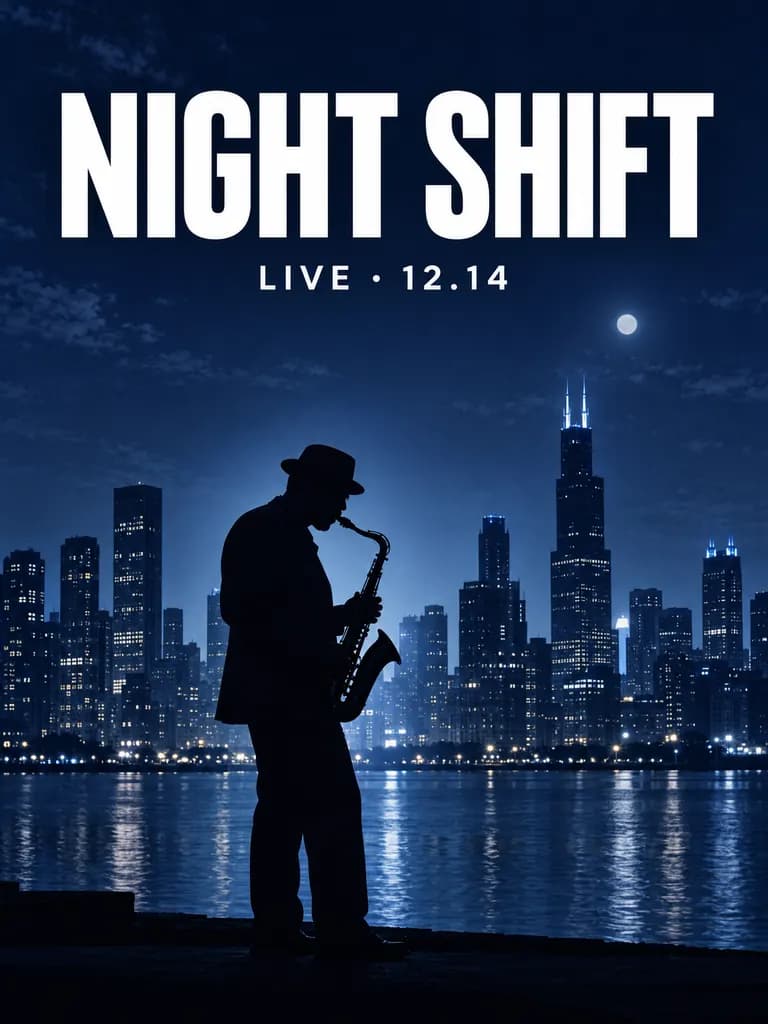
GPT Image 272s
Text correct and well spaced; similar photoreal skyline with a moon added. Closest twin to GPT Image 2.5 on this prompt.
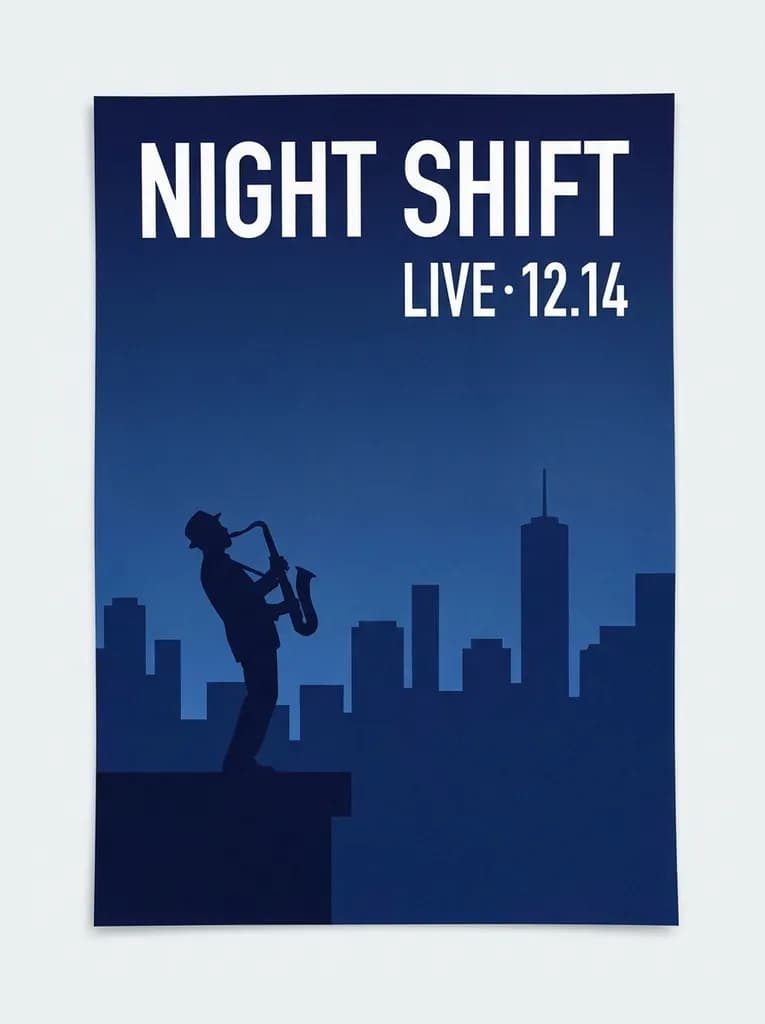
Nano Banana Pro34s
Rendered the poster as a framed print on a wall instead of the flat design, and set “LIVE·12.14” without its spacing.
Natural-light portrait
Prompt: Natural-light portrait of a woman in her thirties with short curly hair, sitting by a café window, warm afternoon light on one side of her face, film photograph, candid expression.
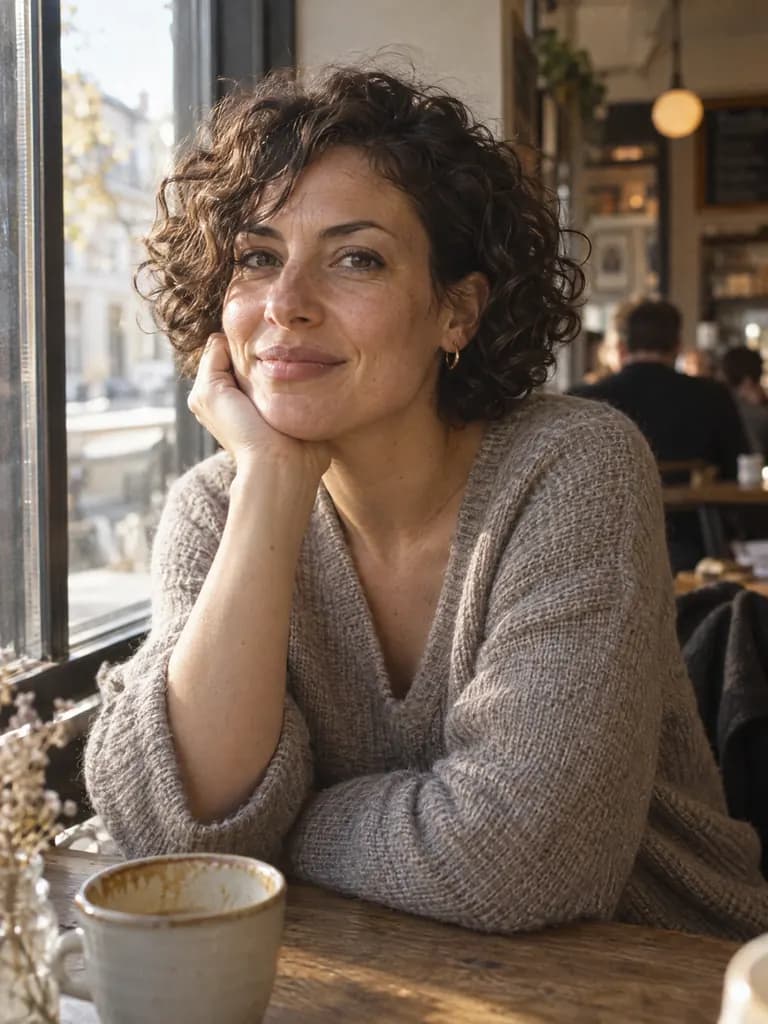
GPT Image 277s
Almost the same composition and pose as GPT Image 2.5 — useful if you want predictable results across the two.

Nano Banana Pro89s
Short, tight curls as asked, laughing with a cup in both hands. The most natural expression of the set.
Overhead food flat lay
Prompt: Overhead flat lay of a ramen bowl with soft-boiled egg, chashu, scallions and nori on a dark wooden table, chopsticks resting on the rim, steam, editorial food photography.
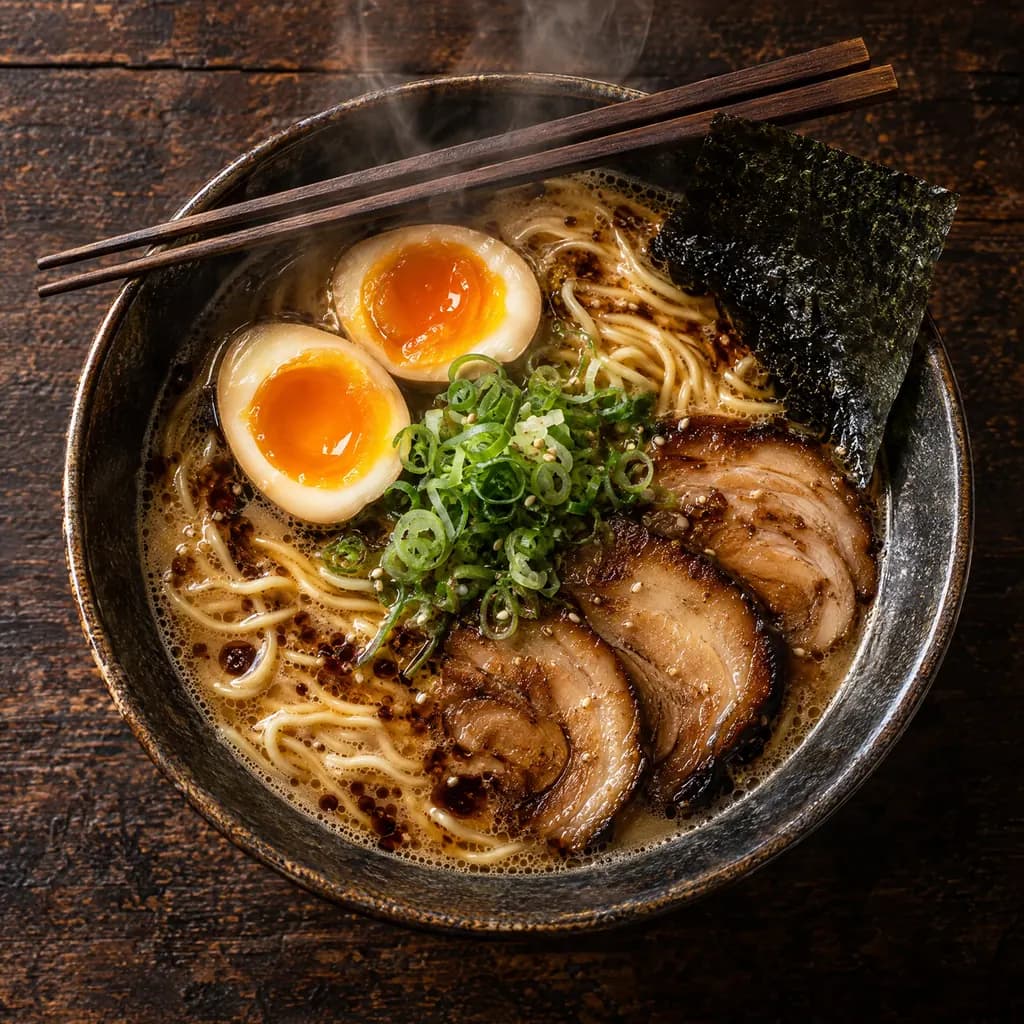
GPT Image 2102s
Two egg halves, glossy chashu with charred edges, and steam rising off the bowl.
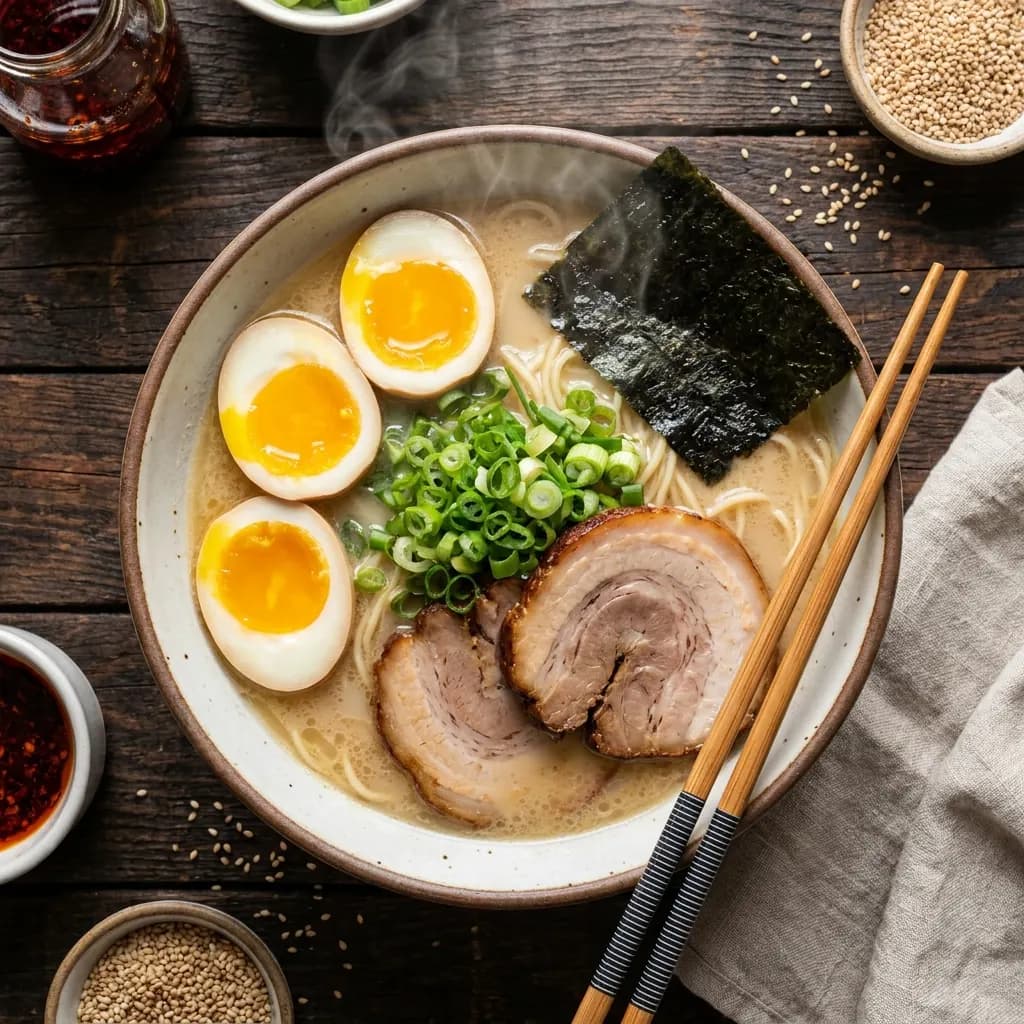
Nano Banana Pro63s
Most styled scene: three egg halves, condiment bowls, sesame and a linen napkin around the bowl.
Interior photograph
Prompt: Scandinavian living room with a light oak floor, linen sofa, large window with sheer curtains, a monstera plant, morning sun casting long shadows, architectural interior photograph.
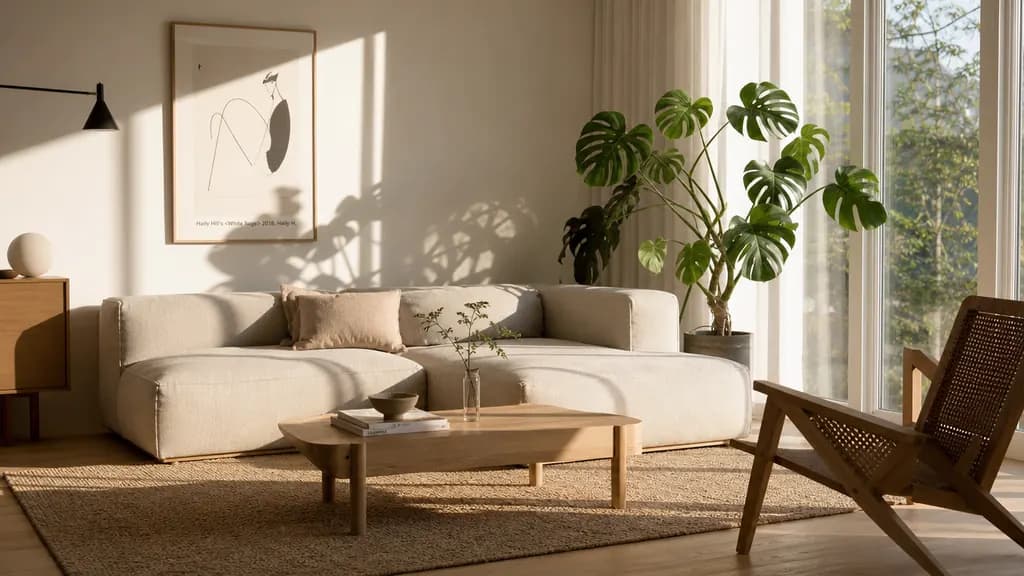
GPT Image 255s
Similar to GPT Image 2.5 with a rattan chair and wall lamp; the warmest light of the group.
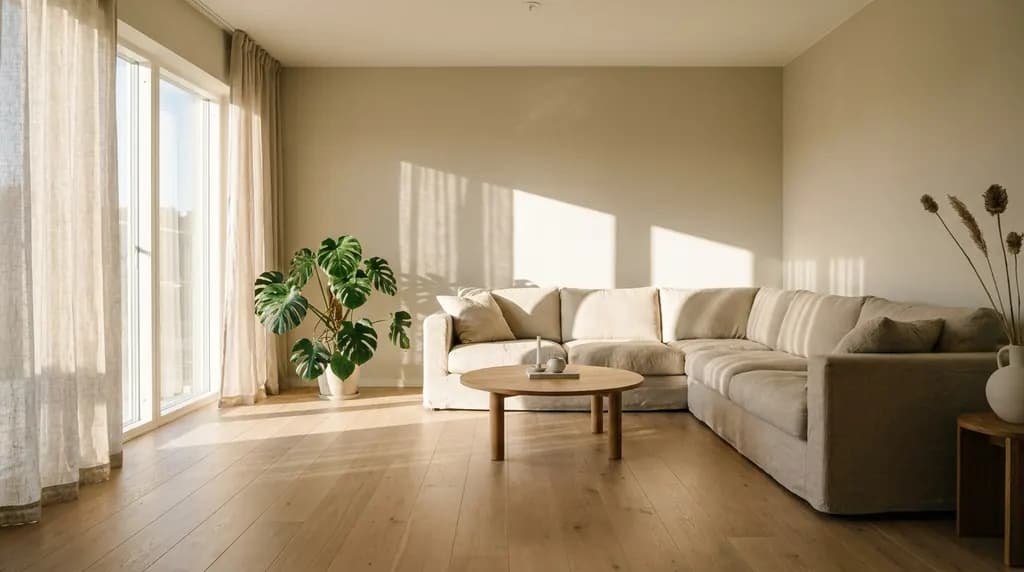
Nano Banana Pro38s
Wide, bright and airy with long floor shadows. Monstera and linen sofa as asked, little else.
Children's book illustration
Prompt: Flat vector illustration of a fox reading a book under a tree at dusk, limited palette of teal, orange and cream, thick outlines, children's book style.

GPT Image 285s
Moonlit lake version of the same idea; also richer than the limited palette asked for.
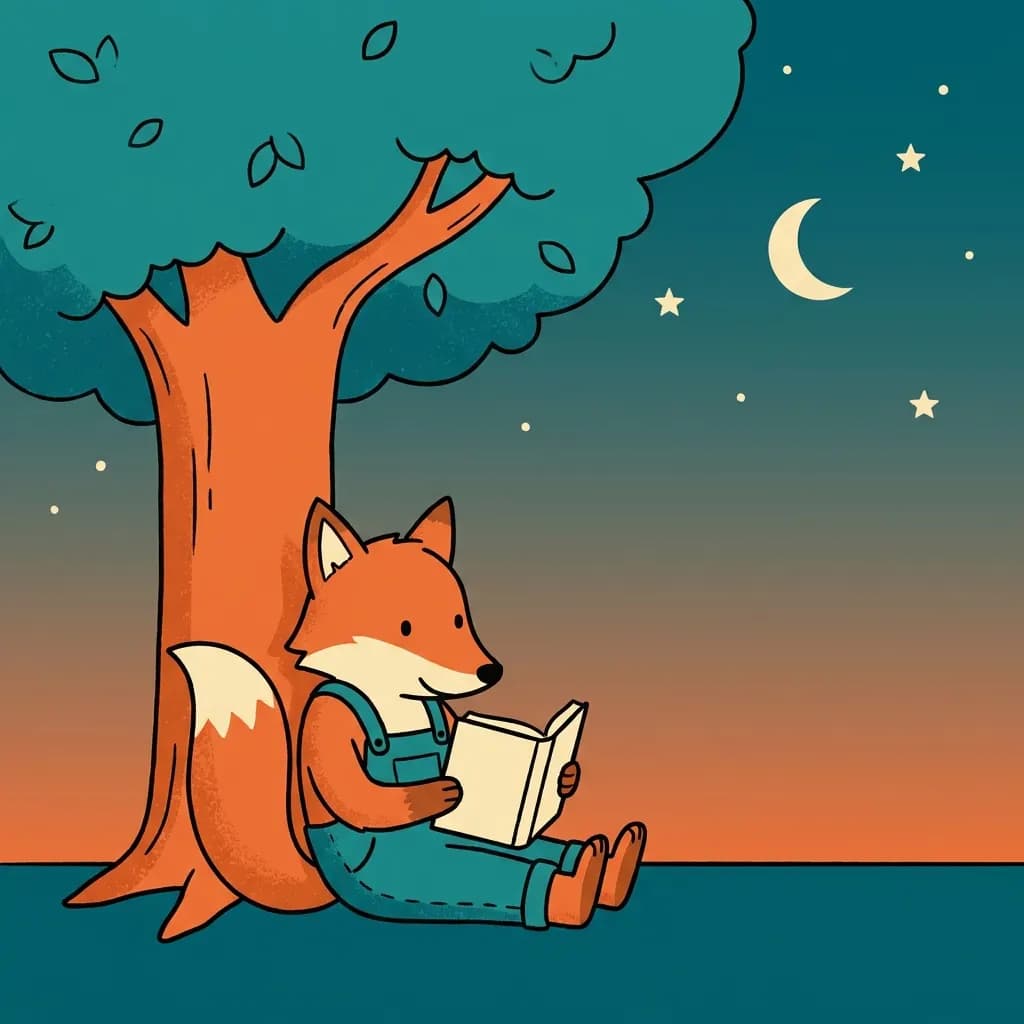
Nano Banana Pro38s
Closer to a limited palette and flat shapes; dressed the fox in dungarees, which the prompt did not ask for.
Logo concept with wordmark
Prompt: Logo concept for a coffee roastery called "Ember & Oak": a simple emblem combining a coffee bean and an oak leaf, two colours, clean lines, centred on a white background.

GPT Image 243s
Clean bean that turns into an oak leaf, on white — but no wordmark at all.
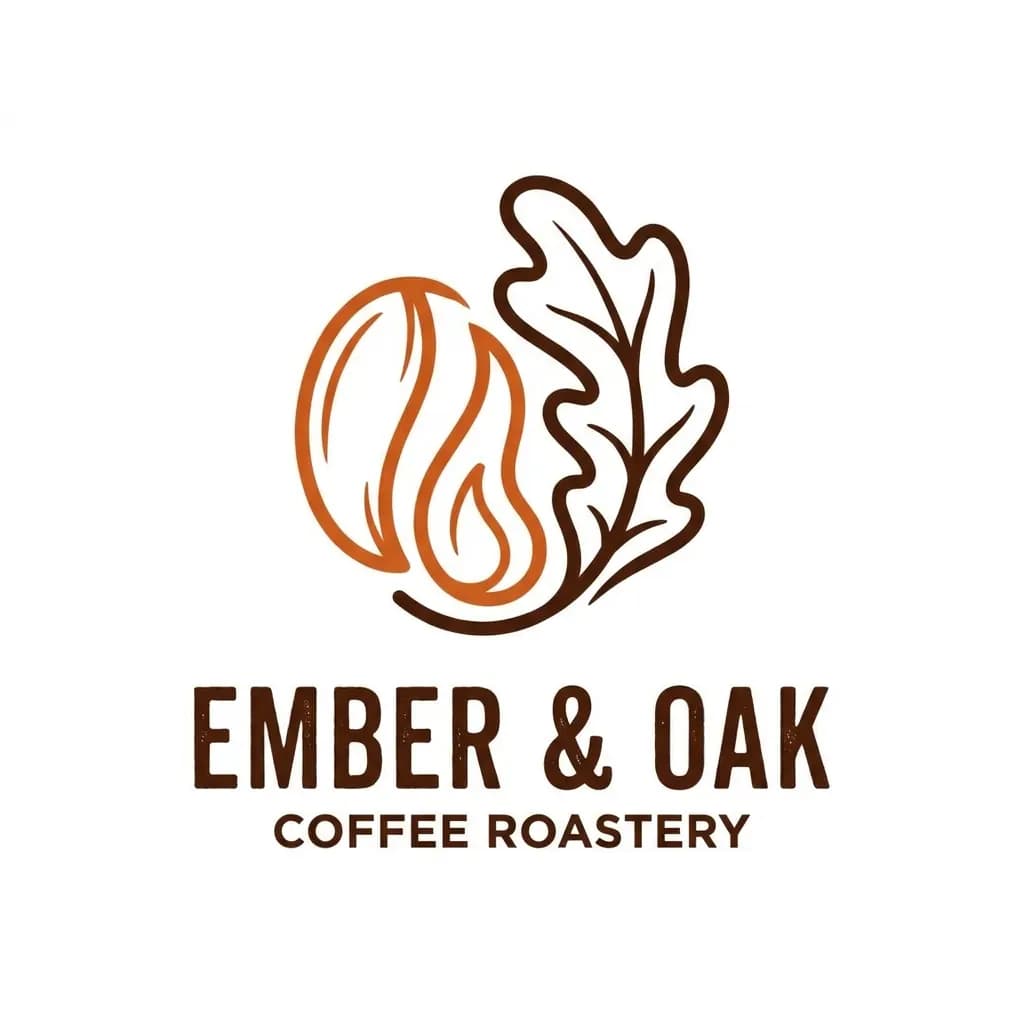
Nano Banana Pro30s
Line-art bean with a flame and an oak leaf, bold “Ember & Oak” and “Coffee Roastery”. Most usable as a real logo direction.
Street-style fashion photo
Prompt: Full-body street-style fashion photo of a man in an oversized camel coat and white sneakers crossing a crosswalk in Tokyo at dusk, neon reflections on wet asphalt.
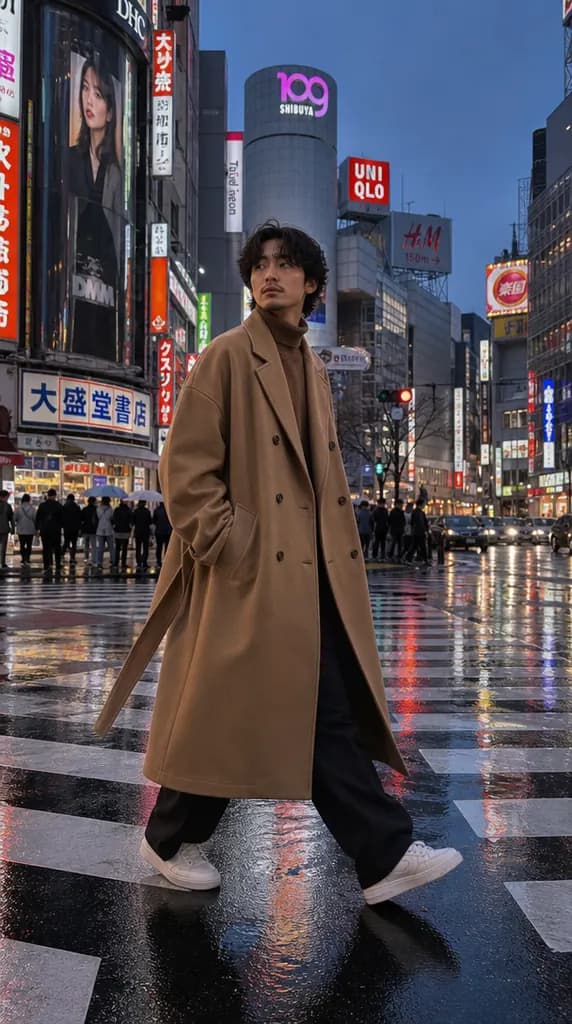
GPT Image 277s
Shibuya-style crossing with billboards; coat and sneakers correct, crossing mid-stride.
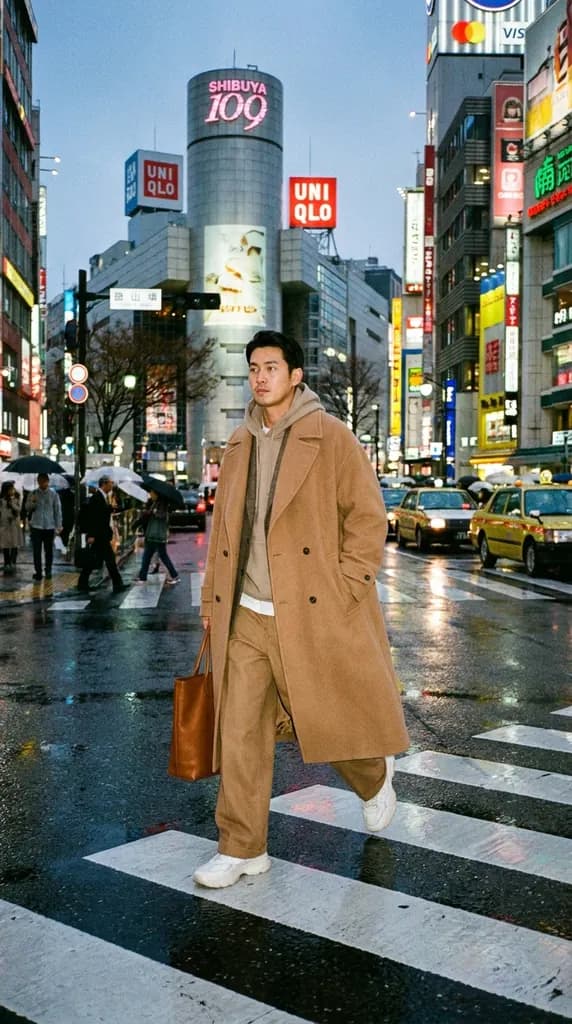
Nano Banana Pro43s
Recognisable Shibuya crossing, but in daylight with a carrier bag added — dusk was lost.
Infographic with labels
Prompt: Clean infographic titled "3 Steps to Better Sleep" with three numbered icons — a moon, a phone with a cross, a cup of tea — each with a short label, pastel colours, white background.
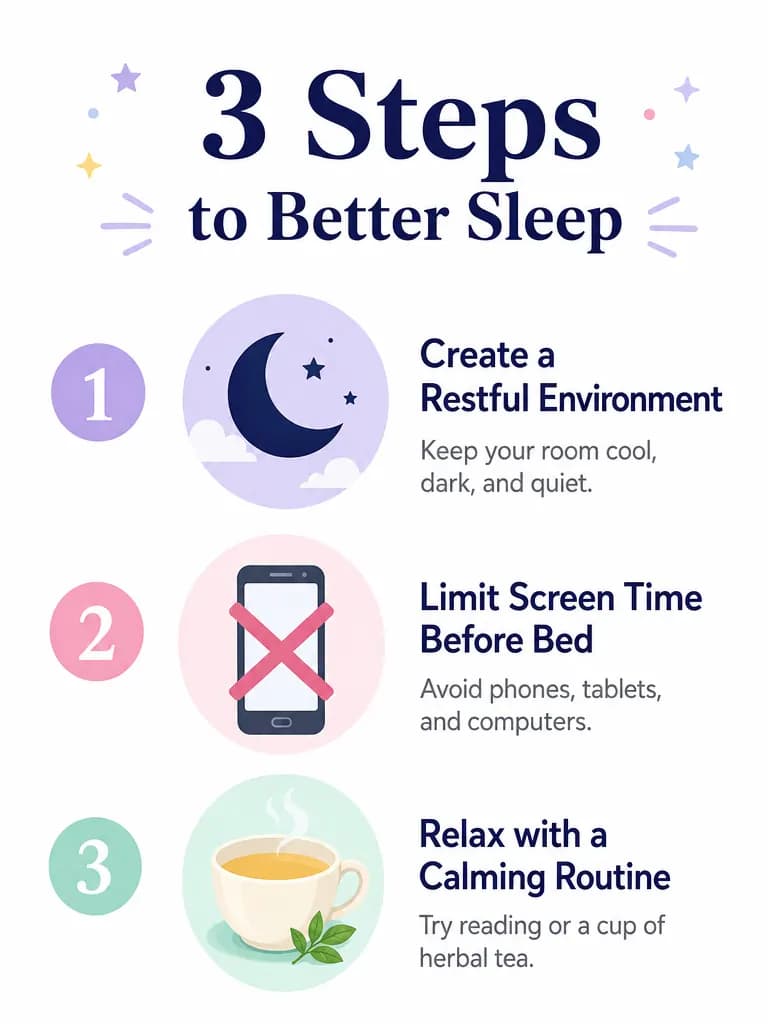
GPT Image 272s
Vertical layout with headings and descriptions under each step, all legible and correct. Best usable layout.
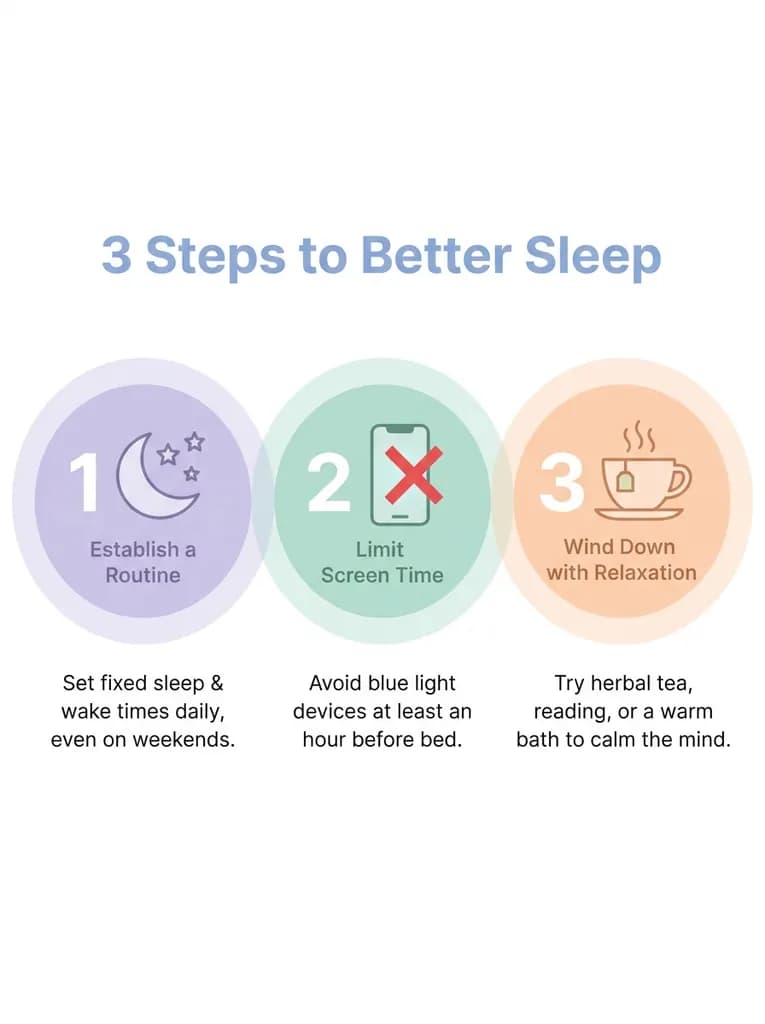
Nano Banana Pro38s
Correct text in a horizontal row, but small and pale; would need resizing to read on a phone.
Fantasy concept art
Prompt: Epic fantasy landscape: floating islands with waterfalls pouring into clouds, a stone bridge between them, golden hour light, concept art, highly detailed.
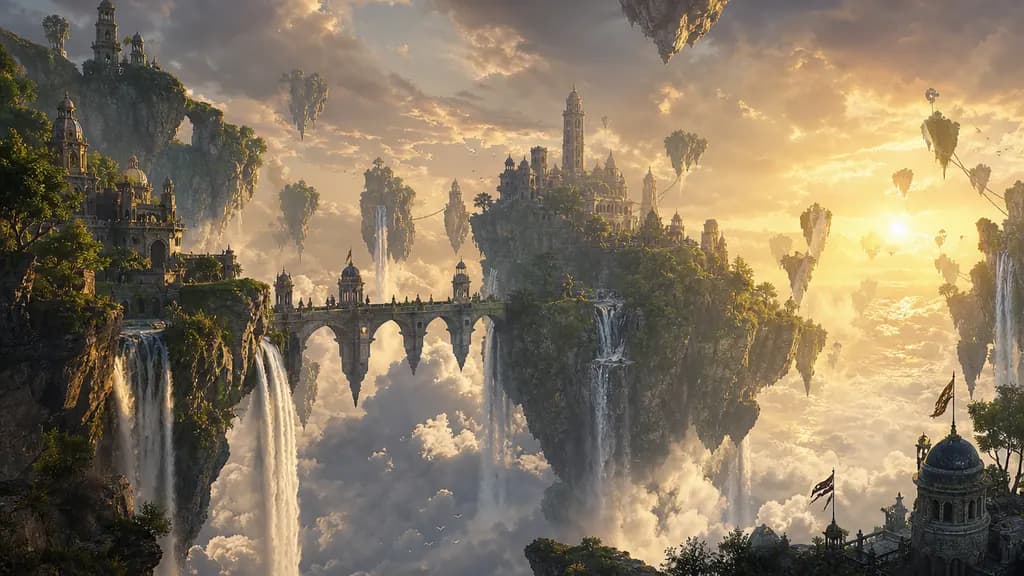
GPT Image 289s
Densest composition — many islands and towers in a golden haze.
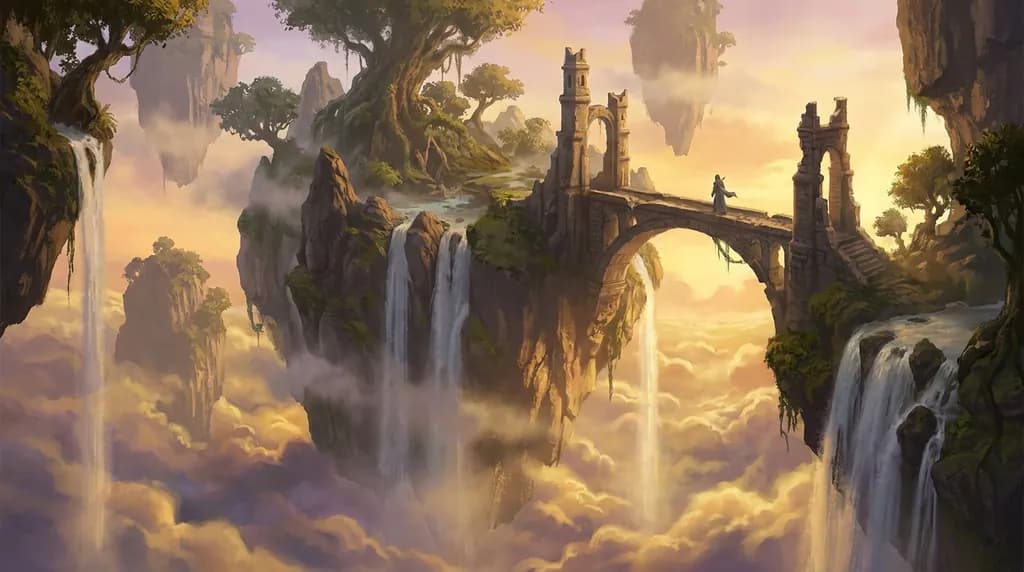
Nano Banana Pro31s
Two big islands joined by a bridge, ruins and trees, softer painterly light.
One generation per prompt per model is a snapshot, not a score: a second run can differ. Run your own prompt on both before choosing.
Scores are editorial estimates from in-house tests — not third-party benchmarks.
| Attribute | GPT Image 2 | Nano Banana Pro |
|---|---|---|
| Resolution | Up to 4K | Up to 4K |
| Speed (avg) | ~77s median (42–102s) | ~38s median (25–89s) |
| Best for | Infographics, text layouts | Photoreal people & packshots |
| Credit cost | 10 cr/image (1K) | 33 cr/image (1K) |
| Languages | EN | EN |
| Watermark | No (paid) | No (paid) |
| Last updated | 2026-10-25 | 2026-10-25 |
Ofrai credit prices
Scores are editorial estimates from in-house tests — not third-party benchmarks.
| Model | Kind | Credits |
|---|---|---|
| GPT Image 2 | Image | 14 credits |
| Nano Banana Pro | Image | 37 credits |
FAQ
- Which model is better for product photography?
- Nano Banana Pro is often the first try for lifestyle product stills. If the frame needs accurate on-image type, start with GPT Image 2.
- Can I use both without two subscriptions?
- Yes. Ofrai lists both in the image catalog and bills a shared credit balance.
- How much does a generation cost?
- Each job lists Ofrai credits in the studio. Catalog credits are starting points; resolution and duration can change the final spend.
- How do I start on Ofrai?
- Open Image or Video Studio from this page, pick a recommended model, paste or adapt the starter prompt, and generate from your library.
- What is the difference between GPT Image 2 and Nano Banana Pro?
- GPT Image 2 leans into legible on-image type and clean layouts. Nano Banana Pro leans into camera-style light and fashion-like detail. Both run on one Ofrai image catalog.